Femto-Lasik
Experience life without glasses or contact lenses with Femto-LASIK surgery
Everything you need to know about femto-lasik
FemtoLASIK suitability criteria
FemtoLASIK is suitable for individuals aged 18 or older with stable refractive errors such as myopia, hyperopia, and astigmatism.
Candidates should have healthy corneas and sufficient corneal thickness to support the procedure.
A comprehensive eye exam is essential to rule out conditions like glaucoma, cataracts, or keratoconus.
Additionally, those with certain medical conditions, such as autoimmune disorders or uncontrolled diabetes, may not qualify.
A thorough consultation with an ophthalmologist will help determine individual suitability for FemtoLASIK.
How FemtoLASIK works
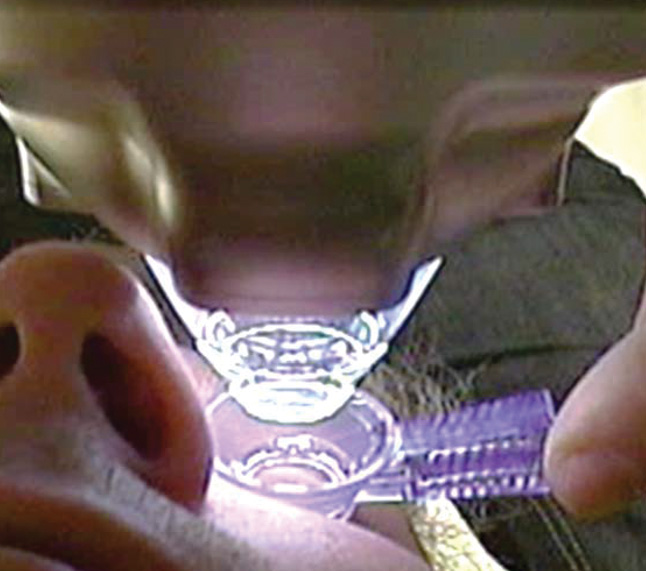
Creating a flap on the surface of the cornea can be done in two ways: with a microkeratome (a specially designed blade) or with a laser. Femto-LASIK employs the latter method, creating the flap with a laser rather than a blade. Although there is ongoing controversy over whether the Femto option is genuinely better than the microkeratome, the preference for the Femto method has been increasing year by year. The rest of the diopter correction process is the same for both procedures.
Advantages and disadvantages of FemtoLASIK
Advantages:
FemtoLASIK offers numerous advantages;
- Including precise corneal reshaping,
- Reduced risk of complications
- Minimalnu nelagodu tokom postupka
- Most patients experience rapid recovery and improved vision within days.
Disadvantages:
Disadvantages may include:
- The cost, which can be higher than traditional LASIK
- The need for thorough preoperative evaluations
- Additionally, not all patients are suitable candidates
- Some may still require glasses for certain activities after surgery.
FemtoLASIK risks
While FemtoLASIK is generally safe, some risks are associated with the procedure.
Patients may experience dry eyes, glare, halos, or double vision, particularly at night.
There’s also a chance of under-correction or over-correction of vision, requiring additional enhancements.
In rare cases, complications like infections or scarring can occur.
Additionally, if patients have unrealistic expectations regarding results, they may feel dissatisfied.
It's vital to discuss potential risks with an ophthalmologist to ensure an informed decision.
FemtoLASIK options and alternatives
FemtoLASIK is one of several refractive surgery options available.
Alternatives include traditional LASIK, PRK, and lens replacement surgery.
Traditional LASIK uses a microkeratome to create the corneal flap, while PRK reshapes the cornea's surface without creating a flap.
Lens replacement surgery involves replacing the eye's natural lens with an artificial one.
Each option has its benefits and drawbacks, so it's crucial to consult with an eye specialist to determine the best choice based on individual vision needs and lifestyle.
FemtoLASIK steps
- The FemtoLASIK procedure begins with a comprehensive eye examination to determine suitability
- Once confirmed, numbing eye drops are applied
- A femtosecond laser is used to create a thin corneal flap, which is then gently lifted
- A second laser reshapes the cornea to correct refractive errors
- After the reshaping is complete, the flap is repositioned without the need for stitches.
The entire process typically takes about 10-15 minutes per eye, and patients can often resume normal activities shortly after.
FemtoLASIK results
Most patients experience rapid improvement in vision after FemtoLASIK, with many achieving 20/20 vision or better within days. The results are typically stable and long-lasting, allowing for reduced dependence on glasses or contact lenses. Some may still require reading glasses as they age, but overall satisfaction rates are high. Regular follow-up appointments ensure optimal healing and can address any concerns. FemtoLASIK provides patients with enhanced visual clarity and quality of life, making it a popular choice for vision correction.
Gallery
Learn how other people overcame their dependence, and find out how you can, too
Join thousands who have achieved freedom from glasses and contacts
LASIK
Sehr freundliches und kompetentes Team! Dr. Kozomara, selbst ist fachlich top! Fühlte mich sehr gut aufgehoben. Wurde umfassend aufgeklärt. Seit ein paar Tagen sehe ich in HD Qualität :-))) (Lasik) Herzlichen Dank!!!

I.A.
Sehr freundliches Personal, medezienische Fach und Technik höchste Qualität

L.B.
Academic resources on Femto LASIK
Expand your knowledge about Femto LASIK. (These links will take you away from our website.)
The SCHWIND ATOS femtosecond laser, recently approved to CE standards, offers a precise solution for corneal surgery. Designed for the minimally invasive SmartSight procedure, it is used in lens replacement and lenticule extraction, especially for the correction of myopia and astigmatism. Advanced laser technology ensures high precision, safety and optimal results for patients. This approval represents an important step forward in refractive eye surgery.
Schwind recently introduced the ATOS femtosecond laser, designed for SmartSight, a minimally invasive refractive procedure. This new laser system improves accuracy and safety for patients undergoing corneal surgery to correct refractive errors such as myopia and astigmatism. With advanced technology, the ATOS laser provides surgeons with a reliable tool to improve visual results while reducing recovery time. This innovation highlights Schwind's commitment to developing advanced solutions in refractive surgery.